How to Measure Your Body (Accurate, Fitness‑Focused Method)
Before You Start
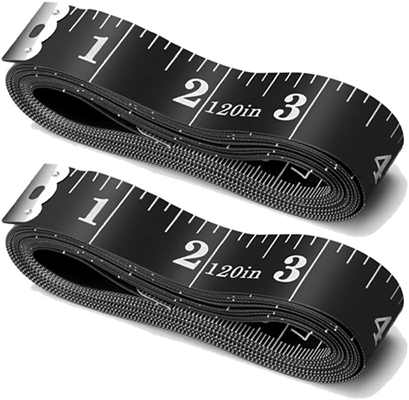
- Use a soft measuring tape (tailor’s tape).
- Measure on bare skin or thin clothing.
- Keep the tape level, snug, but not tight.
- Stand tall, breathe normally, and don’t flex.
- Take each measurement twice for accuracy.
- Measure at the same time of day each time.
Key Body Measurements
1. Neck
- Wrap the tape around the base of your neck.
- Keep it slightly loose so you can breathe comfortably.
2. Shoulders
- Measure around the widest point across your shoulders.
- Tape goes across the back and meets at the front.
3. Chest
- Measure around the fullest part of your chest.
- Keep arms relaxed at your sides.
- Tape stays level across your back.
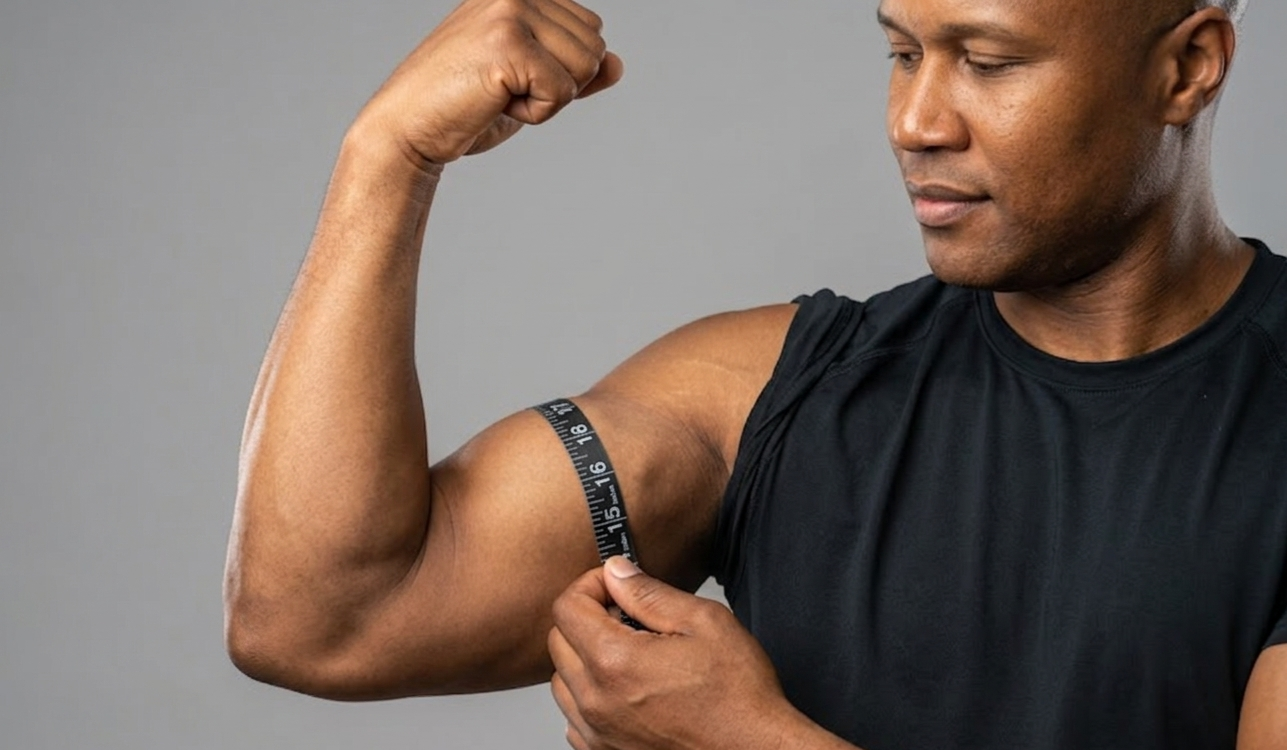
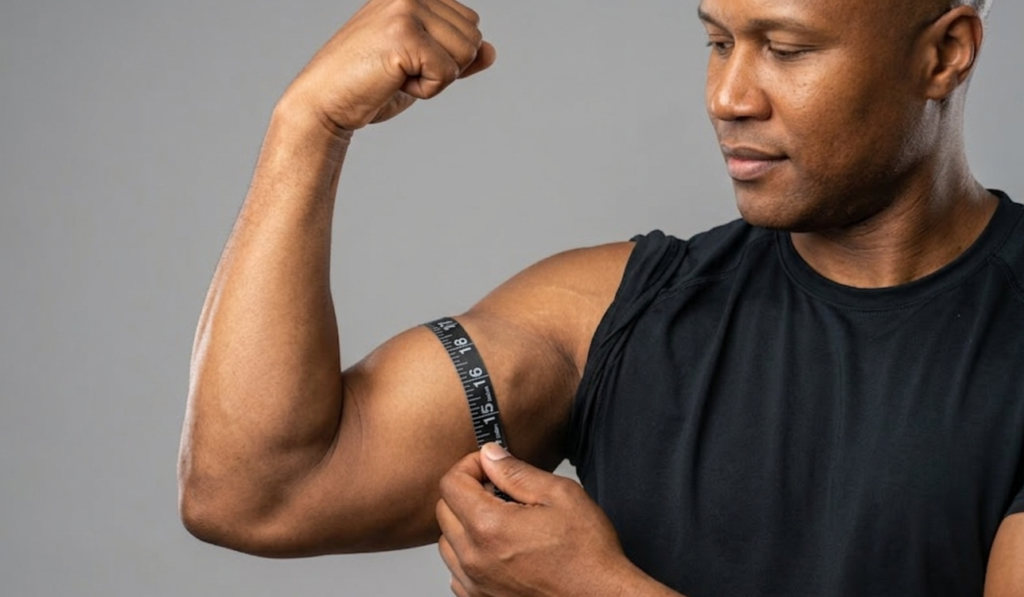
4. Upper Arm (Bicep)
- Measure the midpoint between shoulder and elbow.
- Keep the arm relaxed (unless you’re tracking flexed size intentionally).
5. Waist
- Find your natural waist — the narrowest point above the belly button.
- Don’t suck in; breathe normally.
6. Lower Belly (Navel Line)
- Measure around the line of your belly button.
- Great for fat‑loss tracking.
7. Hips
- Measure around the widest part of your glutes.
- Keep feet together.
8. Thigh
- Measure the thickest part of your upper thigh.
- Stand tall with weight evenly distributed.
9. Calf
- Measure the fullest part of your calf.
Pro Tip for Fitness Progress
- Track measurements every 2 weeks.
- Use consistent lighting, posture, and tape tension.
- Pair measurements with progress photos for the most complete picture.
Road Warrior Athletics Fitness